
11.4 secondsChip-Free Air Blast
Simultaneous unclamp and reload
Run unstaffed lights-out night shifts on your 5-axis milling and turning centers. Dual pneumatic grippers swap raw blanks and finished parts in under 12 seconds.
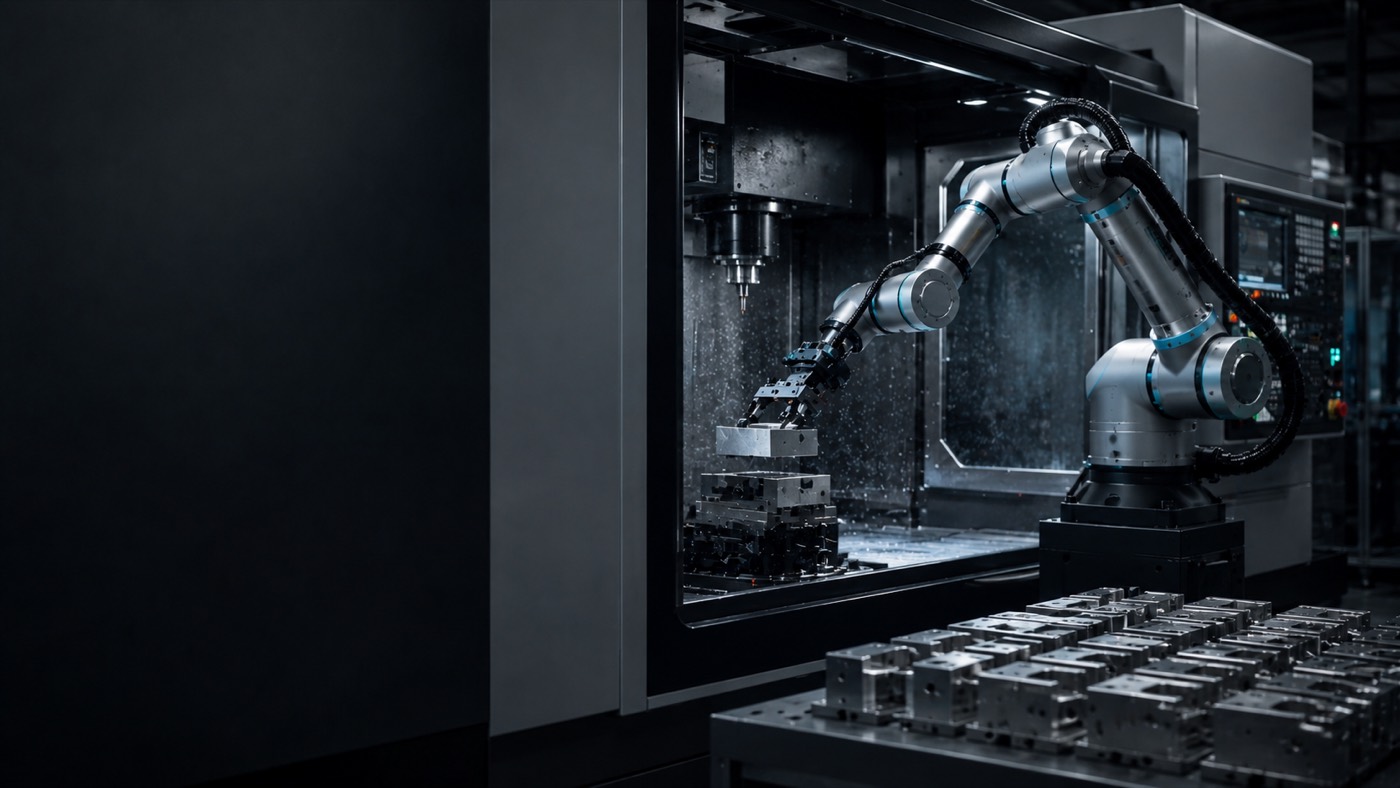
Simultaneous unclamp and reload
Interlocked M-Code trigger
Eliminates break & shift change pauses
| Hardware category | Brand | Supported models and EOAT | Fieldbus protocol | Safety and industrial specification |
|---|---|---|---|---|
| Cobot Arm | Universal Robots | UR10e High Precision Sealed Arm | Profinet / EtherCAT | IP54 Coolant Mist Resistant |
| Cobot Arm | Doosan Robotics | M1013 / H2017 Machine Tending Spec | Modbus TCP / Digital I/O | IP66 Oil Resistant |
| EOAT Mechanical | Schunk GmbH / Zimmer | PZN-plus / HRC Dual 3-Jaw Gripper | Pneumatic ISO Valve | Integrated Retention Valve |
| EOAT Mechanical | Robotiq | Hand-E Sealed Electric Micro-Gripper | USB / RS485 Bus | IP67 Submersible Rating |
Cobot controller interfaces directly with machine tool emergency circuits via dual-channel safety relays. Sealed joints prevent ingress of aggressive cutting fluids and metallic swarf.
For production teams that want to capitalize the cell and run without an ongoing lease commitment.
Configure CapEx IntegrationFast automation without waiting for a large capital budget approval cycle.
Launch OpEx RaaS ApplicationPayload, reach, repeatability, and deployment fit for engineering review before selecting a Project Builder workflow.
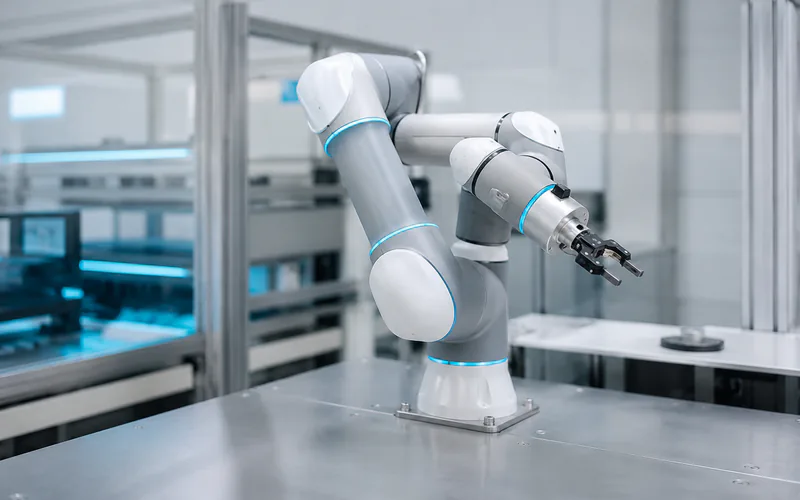
CNC machine tending · Light assembly · Pick and place · Inspection and testing
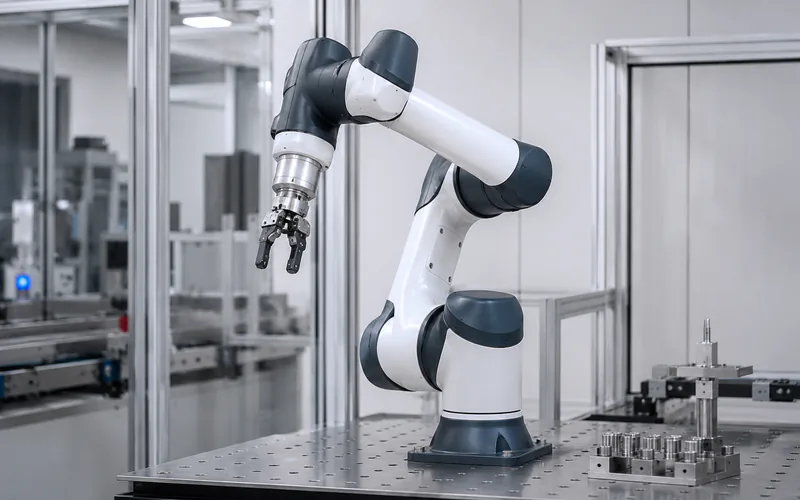
Precision assembly · Machine tending · Screwdriving · Quality inspection
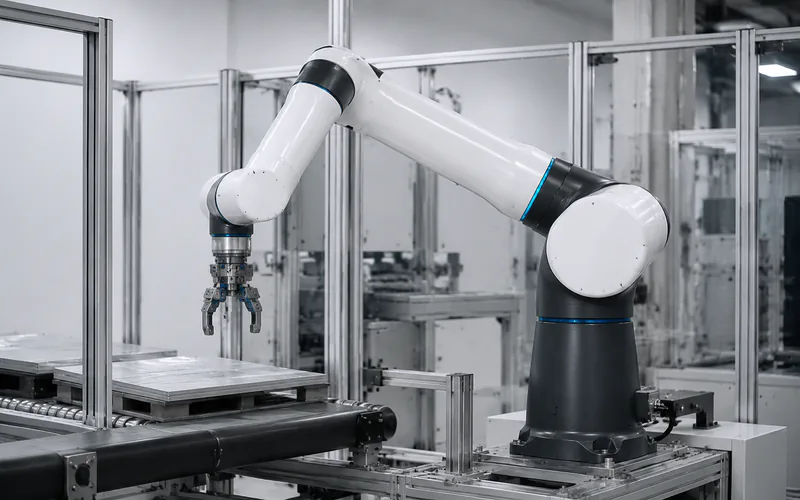
Palletizing · Machine loading · Welding assistance · Material handling
Swipe or use arrows to compare models
CNC machine tending · Light assembly · Pick and place · Inspection and testing
Precision assembly · Machine tending · Screwdriving · Quality inspection
Palletizing · Machine loading · Welding assistance · Material handling
Product names may be trademarks of their respective manufacturers. Images are reference visuals for comparison; final payload, reach, repeatability, safety limits, and integration scope must be verified against the current manufacturer datasheet and site audit.
Engineering references
These short references help connect this application workflow with the terms, safety checks, and cost model used elsewhere on BotNots.
FAQ
These questions focus on machine interface, part access, and unattended operation before a CNC tending cell is planned.
FAQ 01
A CNC machine can usually be automated when the door, chuck or vise, cycle start, program status, and safety interlocks can be connected or actuated reliably. Older machines may still work, but the integrator must confirm the electrical interface, M-code options, access points, and safe stop behavior.
FAQ 02
The cobot needs a clear path to open or pass through the door, reach the chuck or fixture, remove chips or coolant where required, and grip both raw and finished parts without collisions. Dual grippers can reduce idle time, but only if the part geometry and machine envelope allow it.
FAQ 03
Lights-out CNC tending requires more than a robot loading parts. The cell needs reliable part feeding, chip and coolant control, tool-life monitoring, fault handling, machine status feedback, finished-part storage, and a recovery plan for rejected parts or interrupted cycles.
Select one vertical below to calibrate kinematic calculations.
Connect adjacent automation processes when planning the complete production flow.
Review welding automation workflows to stabilize joint quality before downstream handling.
Select the right cobot for assembly when parts also require inspection, sorting, or precision placement.
Need to validate payload, reach, and repeatability first? Compare cobot technical specifications across the available hardware classes.